

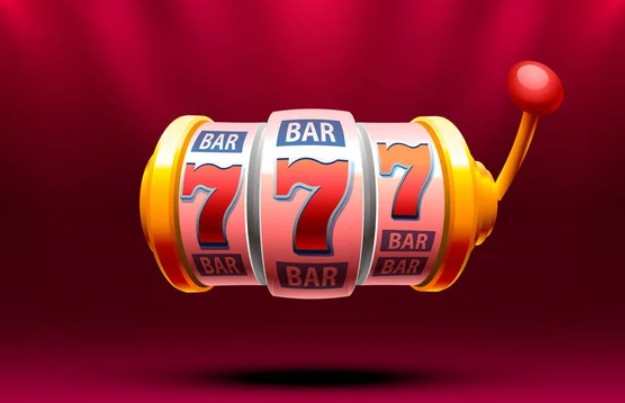
Online slot games are available in numerous formats, but three-reel and five-reel layouts remain among the most recognisable. Both use symbols arranged on spinning reels, yet their structures can produce different combinations, visual styles, and bonus features.
Three-reel slots are commonly associated with traditional mechanical machines, while five-reel games frequently appear in modern video slot designs. However, the number of reels alone does not determine a game’s payout percentage, volatility, or chances of winning.
Understanding how these formats differ can help readers interpret paylines, symbols, and gameplay rules more accurately.
What Are Three-Reel Slot Games?
Three-reel slots use three vertical reels that display symbols after each spin. Traditional versions often feature a small number of visible rows and familiar images such as cherries, bells, bars, and lucky sevens.
This arrangement developed from mechanical slot machines, where physical components limited the number of available symbols and possible display configurations.
Common Features of Three-Reel Slots
Many three-reel games use straightforward combinations. Matching symbols may need to appear across a central payline or several predetermined lines.
Because the reel arrangement is compact, the interface often has fewer visual elements than more elaborate video slots.
Some games retain mechanical-style graphics, while others include modern animations and electronic controls.
However, three-reel slots are not necessarily basic in every respect. Digital versions may include wild symbols, multipliers, additional paylines, or bonus features.
Their actual complexity depends on the software rather than the number of reels alone.
What Are Five-Reel Slot Games?
Five-reel slots display five vertical reels, commonly with three or more visible symbol positions on each reel.
This expanded arrangement provides more space for symbol combinations and allows developers to experiment with different matching systems.
Five-reel games often include detailed themes, animated characters, and multiple special features.
For example, a fantasy-themed title might introduce wild symbols, free-spin rounds, and expanding reels. Another game may use a relatively traditional layout with limited additional mechanics.
Why Five Reels Offer More Design Options
Additional reels create more visible symbol positions and support a wider range of possible arrangements.
Developers can use these positions to introduce different paylines, special symbols, or ways-to-win systems.
However, more visible positions do not automatically mean better winning probabilities.
The mathematical model determines how outcomes are generated and how much qualifying combinations pay.
How Paylines Work in Each Format
A payline is a defined path along which symbols must appear to form a qualifying combination.
Traditional three-reel machines often used a single horizontal payline. Later versions introduced additional lines across different symbol positions.
Five-reel games can support more complex payline arrangements, including horizontal, diagonal, and other predefined patterns.
Do More Paylines Mean Better Chances?
A larger number of paylines may create more possible qualifying arrangements, but it does not automatically improve a game’s overall financial return.
Wager structure matters. In some games, activating additional paylines changes the total amount wagered per spin.
Other games include all paylines within a single displayed wager.
Players should check how the game calculates stakes and payouts rather than assuming that additional lines offer a financial advantage.
Ways-to-Win Systems Change the Structure
Some five-reel slots use ways-to-win systems instead of conventional paylines.
In these games, matching symbols may qualify when they appear on consecutive reels, regardless of their exact row positions.
For example, a game with five reels and three visible rows per reel may advertise 243 ways to win under a standard all-positions configuration.
Different reel heights and matching rules can produce other totals. Three-reel games can also use alternative matching arrangements, although these are less strongly associated with traditional mechanical designs.
Bonus Features and Special Symbols
Both three-reel and five-reel games can include special features, but their presentation may differ.
In a compact three-reel design, a wild symbol might substitute for another image to complete a qualifying combination. A five-reel game may introduce additional features such as expanding wilds, scatter-triggered free spins, or cascading symbols.
Some games include multipliers that change the value of qualifying payouts. Others use re-spins that affect selected reels or positions. The presence of these features does not establish that one reel format is more profitable than another.
How RTP and Volatility Compare
Return to player (RTP) represents a game’s theoretical long-term payout percentage.
A three-reel game and a five-reel game can have identical RTP values even though their graphics and payout arrangements differ.
Volatility describes how payouts are distributed.
One game might produce relatively frequent smaller payouts, while another concentrates more of its theoretical returns in occasional larger amounts.
When examining game information through sources such as bandot88, readers should verify each title’s published rules and theoretical characteristics rather than relying on general assumptions about three-reel or five-reel formats.
Visual Design and Screen Layout
Three-reel slots often have a compact appearance, leaving space for clearly displayed controls and payout information. Five-reel slots occupy more screen space and may require additional interface planning.
On mobile devices, developers must ensure that symbols remain recognisable and that wager controls are not hidden by decorative elements.
Animations also need to run smoothly without causing unnecessary delays. A simpler layout can support readability, while a more detailed layout can accommodate additional visual features. Neither approach is automatically better.
Conclusion
Three-reel and five-reel slots differ mainly in their layouts, symbol arrangements, and design possibilities. Three-reel games often retain traditional characteristics, while five-reel formats frequently support more elaborate matching systems and bonus presentations.
However, RTP, volatility, and individual outcomes depend on each game’s mathematical rules. Understanding those rules matters more than the number of reels displayed on the screen.
