

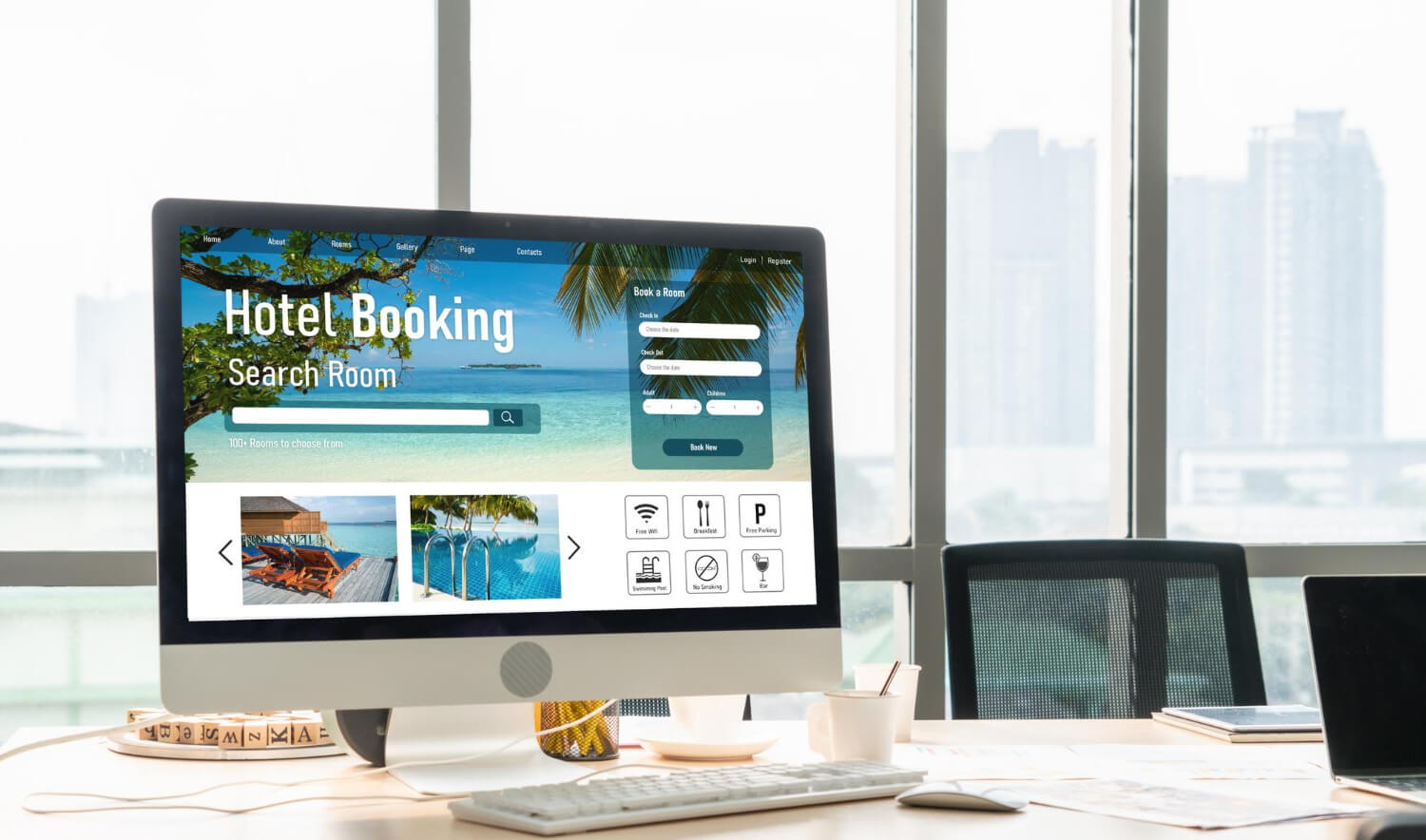
For hotels, resorts, boutique properties, and other hospitality businesses, getting more direct bookings is an important part of growing revenue. Many travelers now search online before deciding where to stay. They compare hotels, check reviews, look at photos, compare prices, and often visit several websites before making a booking.Online travel agencies can help hotels reach a large audience, but relying too heavily on them can also mean paying commissions and having less control over the guest relationship. Direct bookings allow hotels to connect with guests through their own website and booking channels.This is where a hospitality marketing company can make a difference. A specialized marketing company can help a hotel improve its online visibility, attract the right travelers, build trust, and make the direct booking process easier.
What Are Direct Bookings?
A direct booking happens when a guest reserves a room directly with the hotel instead of using a third-party booking platform.For example, a traveler may find a hotel through Google, visit the hotel’s website, check room options, and complete the reservation through the hotel’s booking system. This is a direct booking.Direct bookings can be valuable because hotels have more control over the guest experience. They can communicate directly with guests, promote special offers, collect useful customer insights, and encourage guests to return in the future.However, getting travelers to book directly requires more than simply having a website. Hotels need to make their websites easy to find, trustworthy, useful, and simple to use.
How Can a Hospitality Marketing Company Help?
A hospitality-focused marketing company understands that travelers behave differently from customers in many other industries. Guests may search for destinations, compare properties, read reviews, look at amenities, and check prices before making a decision.
A marketing strategy needs to support travelers throughout this journey.
Here are some of the main ways a marketing company can help increase direct bookings.
1. Improve Hotel Search Visibility
One of the first steps toward getting more direct bookings is helping travelers find the hotel online.Search engine optimization can improve a hotel’s visibility when people search for terms related to accommodation, destinations, amenities, and travel experiences.
For example, a hotel may want to appear when someone searches for:
- Hotels near a popular attraction
- Boutique hotels in a particular city
- Luxury resorts in a destination
- Family-friendly hotels
- Hotels with specific amenities
A marketing company can research relevant search terms, improve website pages, create useful content, optimize page titles and descriptions, and address technical SEO issues.
When a hotel’s website becomes easier to discover through search engines, it can attract travelers who are already interested in staying in that area.
2. Create a Website That Encourages Bookings
Getting visitors to a hotel website is only one part of the process. The website also needs to encourage those visitors to make a reservation.A complicated or outdated website can cause potential guests to leave before completing a booking.A hospitality marketing team can help improve the website experience by making important information easy to find. This can include room details, amenities, location information, photographs, pricing, policies, and booking options.The booking button should also be easy to notice.A simple message such as “Book Your Stay” or “Check Availability” can guide visitors toward the next step.The website should also work properly on smartphones because many travelers research hotels from mobile devices.
3. Use Local SEO to Reach Nearby Searchers
Local SEO can be especially useful for hotels because travelers often search for accommodation in a specific destination.Someone might search for “hotels in Miami,” “boutique hotel near downtown,” or “resort near the beach.”A hospitality marketing company can optimize the hotel’s local online presence so that it has a better chance of appearing for relevant searches.This can include optimizing the Google Business Profile, maintaining accurate business information, improving local content, and encouraging genuine guest reviews.Strong local visibility can introduce a hotel to travelers who are actively looking for a place to stay.
4. Build Trust Through Content
Travelers want to feel confident before spending money on a hotel.
Useful content can help answer their questions and reduce uncertainty.A hotel website can include content about local attractions, nearby restaurants, transportation, activities, events, travel tips, and things to do in the destination.For example, a resort could publish a guide about the best activities for families in the area. A city hotel could create content about attractions within walking distance.This type of content can attract people earlier in their travel-planning journey. Once they become familiar with the hotel and destination, they may be more likely to consider booking directly.
5. Strengthen the Hotel’s Online Reputation
Reviews have a major influence on travel decisions. Guests often read reviews before choosing a hotel.
A hospitality marketing company can help hotels develop a reputation management strategy that encourages satisfied guests to share their genuine experiences.Positive reviews can help build confidence, while responding professionally to feedback can show potential guests that the hotel listens to its customers.Marketing teams can also help hotels identify common feedback and use those insights to improve their communication and guest experience.A strong online reputation can make the hotel’s direct booking website more convincing when travelers are comparing different properties.
6. Use PPC Advertising to Reach High-Intent Travelers
SEO can help generate long-term visibility, but paid advertising can help hotels reach potential guests more quickly.Pay-per-click advertising allows hotels to target people searching for relevant destinations, accommodations, and travel services.For example, a hotel may create campaigns targeting travelers searching for a hotel in a specific city during a particular season.The important part is targeting the right audience and sending them to a relevant landing page.A marketing company can manage keyword research, advertisements, audience targeting, budgets, landing pages, and conversion tracking.When campaigns are carefully managed, paid search can bring high-intent visitors directly to the hotel’s website.
7. Promote Direct-Booking Offers
Travelers need a reason to book directly.Hotels can create direct-booking benefits such as special rates, flexible options, complimentary amenities, loyalty rewards, or exclusive packages where appropriate.A marketing company can help communicate these offers across the hotel’s website, search campaigns, email marketing, and social media channels.
The offer should be easy to understand.
If travelers can clearly see what they receive by booking directly, they may be more willing to complete the reservation through the hotel’s website.
8. Use Social Media to Influence Booking Decisions
Social media can help hotels showcase their property and create interest among potential guests.Photos and videos can show rooms, restaurants, pools, views, amenities, events, and experiences around the property.Instead of only posting promotional messages, hotels can share useful and engaging content that helps travelers imagine their stay.For example, a hotel near a tourist destination could share local attractions, seasonal activities, food experiences, and guest-friendly travel tips.A marketing company can develop a social media strategy that connects this content with the hotel’s broader direct-booking goals.
9. Use Email Marketing to Bring Guests Back
Direct bookings are not only about attracting new customers. Hotels can also encourage previous guests to return.Email marketing allows hotels to maintain relationships with past guests and share relevant offers, seasonal packages, destination updates, or upcoming events.For example, a hotel could send a returning guest a special offer for their next visit.Because the hotel already has a relationship with the guest, this communication can be more personal than a general advertisement.A well-planned email strategy can support repeat bookings and increase the long-term value of each guest relationship.
10. Make the Booking Process Simple
Even when a hotel attracts the right visitors, a complicated booking process can result in lost reservations.Travelers want to quickly understand room options, prices, availability, and booking conditions.Too many steps, unclear information, slow pages, or technical problems can create unnecessary friction.A hospitality marketing company can review the booking journey and identify areas that may be preventing visitors from completing reservations.This can include improving calls to action, simplifying navigation, improving mobile usability, and making important information easier to understand.
The goal is simple: make it easy for an interested traveler to become a confirmed guest.
11. Track What Is Actually Working
Marketing should not be based only on assumptions.A hospitality marketing company can use analytics and conversion tracking to understand where bookings and potential customers are coming from.For example, the hotel may discover that visitors from organic search have a strong booking rate, while another channel produces many visitors but very few reservations.This information can help the hotel make better decisions about its marketing budget.Tracking can also show which pages receive the most attention, which campaigns generate inquiries, and where visitors leave the booking process.Over time, these insights can help improve the overall strategy.
12. Reduce Dependence on Third-Party Booking Platforms
Third-party travel platforms can provide valuable exposure, especially for hotels trying to reach new audiences. However, hotels may not want these platforms to be their only source of bookings.
A strong digital marketing strategy can create additional sources of demand through organic search, paid advertising, social media, content marketing, email, local search, and repeat customers.This does not necessarily mean removing third-party platforms. Instead, it means creating a healthier balance between third-party bookings and direct reservations.More direct bookings can give hotels greater control over customer communication and marketing opportunities.
Why Specialized Hospitality Marketing Matters
Not every marketing strategy works the same way for every industry.Hospitality businesses have unique challenges. Travelers often make decisions based on destination, season, reviews, price, experiences, amenities, and convenience.A specialized marketing company can build strategies around these factors.The focus should not simply be on generating website traffic. The bigger goal is to attract relevant travelers and turn that interest into bookings.
Final Thoughts
Increasing direct bookings takes time and consistent effort. A hotel needs strong online visibility, a useful website, compelling content, a good reputation, effective advertising, and a simple booking experience.A hospitality marketing services can bring these areas together into a coordinated strategy. From SEO and local search to PPC, social media, content, reputation management, and conversion optimization, each activity can support the goal of attracting more guests directly.The most effective approach is not about depending on one marketing channel. It is about creating a strong online presence that helps travelers discover the property, trust the brand, understand its value, and confidently make a direct reservation.When these pieces work together, hotels can create more opportunities for direct bookings while building stronger and longer-lasting relationships with their guests.
