

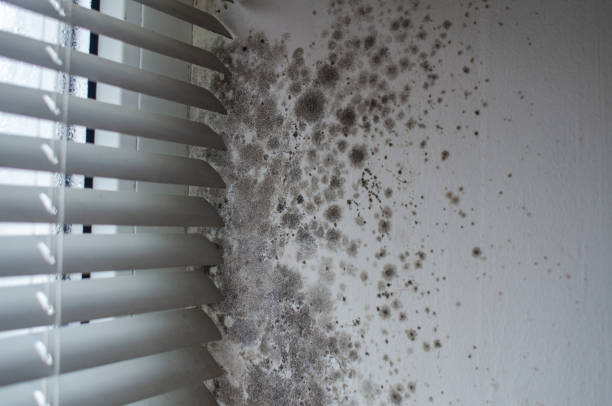
Mold needs a few basic ingredients to grow. Moisture, a food source like drywall or wood, and time. Ventilation plays a much bigger role in this equation than most homeowners realize, since it directly affects how much moisture builds up inside a home in the first place. Specialists who provide mold inspection chicago services regularly see this connection firsthand, especially in a climate where humid summers and cold winters both create conditions where trapped moisture becomes a real problem.
Why Ventilation Matters So Much
Every home generates moisture through everyday activities. Showers, cooking, laundry, and even breathing all release water vapor into the air. In a well ventilated home, that moisture has somewhere to go, whether through exhaust fans, open windows, or a properly functioning HVAC system. In a poorly ventilated home, that same moisture gets trapped indoors, gradually raising humidity levels throughout the space.
Over time, this trapped moisture settles into materials like drywall, wood framing, and insulation, creating exactly the kind of damp environment mold needs to take hold. The tricky part is that this process can happen slowly and quietly, without any obvious leak or flood to point to as the cause.
Common Areas Where Poor Ventilation Causes Problems
Certain parts of a home are especially vulnerable to ventilation related mold issues.
Bathrooms without a properly vented exhaust fan are one of the most common trouble spots. Showers generate a large amount of steam in a short period of time, and without adequate ventilation, that moisture lingers on walls, ceilings, and grout lines long after the shower ends.
Kitchens face a similar issue, particularly when a range hood vents air back into the room instead of outside the home. Cooking releases a surprising amount of moisture, and without proper ventilation, that humidity can accumulate over time in nearby cabinets and walls.
Attics are another area where ventilation problems often go unnoticed for a long time. Poor attic ventilation traps heat and moisture, which can lead to condensation forming on the underside of the roof, especially during seasonal temperature swings. This trapped moisture creates an ideal environment for mold to develop on wood framing and insulation.
Basements and crawl spaces round out the list, since these areas are naturally more prone to humidity and often have limited airflow to begin with. Without proper ventilation or dehumidification, moisture tends to linger in these lower areas of a home far longer than it would upstairs.
How This Connects to Broader Home Inspections
Ventilation issues don’t always show up clearly during a general walkthrough, which is why a thorough sewer inspection or general home evaluation sometimes uncovers moisture related concerns that trace back to airflow problems rather than an obvious plumbing leak. A slow drain issue or a small plumbing concern can sometimes coincide with ventilation problems that have been quietly contributing to humidity buildup in the same area of a home for months or even years.
Inspectors who understand this connection tend to look beyond the obvious signs of water damage, checking attic ventilation, bathroom exhaust systems, and crawl space airflow as part of a complete evaluation rather than treating moisture and mold as isolated issues.
Signs That Ventilation Might Be a Problem
A few warning signs can indicate that poor ventilation is contributing to excess moisture in a home.
- Condensation regularly forming on windows, especially during colder months.
- A persistent musty smell in bathrooms, closets, or basements even without visible mold.
- Peeling paint or bubbling drywall in areas prone to moisture, like bathrooms and kitchens.
- Visible discoloration on ceilings, particularly in attics or rooms directly below the roof.
Improving Ventilation to Reduce Mold Risk
The good news is that ventilation problems are often fixable without major renovations. Installing or upgrading exhaust fans in bathrooms and kitchens, making sure they actually vent outside rather than into an attic, makes a significant difference. Improving attic ventilation through additional vents or fans helps prevent the kind of trapped heat and moisture that leads to condensation problems. Running a dehumidifier in basements or crawl spaces can also help control humidity levels in areas where natural airflow is limited.
Simple daily habits help too, like running exhaust fans during and after showers, opening windows when weather permits, and making sure furniture isn’t blocking vents or airflow throughout the home.
The Bottom Line
Mold problems often get blamed entirely on leaks or flooding, but poor ventilation plays a much bigger role than most people realize. Trapped moisture from everyday activities can quietly build up over time, creating the exact conditions mold needs to grow, even in a home with no obvious water damage. Paying attention to ventilation, and addressing it proactively, is one of the simplest and most effective ways to reduce mold risk before it becomes a much bigger and more expensive problem to fix.
