

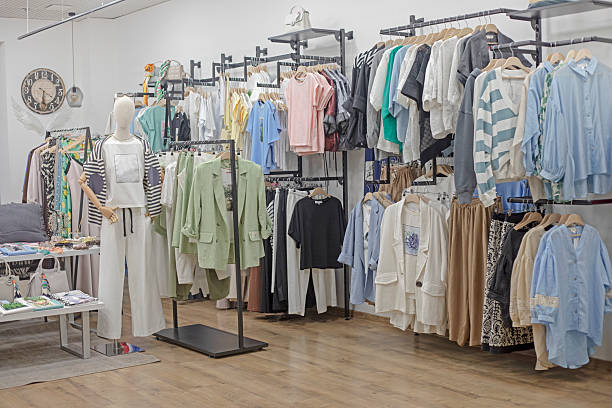
Few names in Pakistani fashion carry the same recognition and trust as Maria B. Over the years, the brand has built a reputation not just for its seasonal launches, but for consistently understanding what customers want, whether that’s intricate embroidery for a wedding season or simple, everyday basics. Maria B stitched collections in particular have become a reference point for what quality ready-made ethnic wear should look like, combining tailoring precision with fabric choices that hold up to daily wear.
A History Built on Craftsmanship
Maria B started with a focus on bridal and formal wear before expanding into pret and lawn categories. This gradual expansion allowed the brand to master different fabric types and techniques before scaling production, which is part of why the finishing on their pieces, from stitching lines to embroidery placement, tends to be more consistent than newer entrants in the market.
Understanding the Customer’s Wardrobe Needs
One reason the brand continues to perform well is that it doesn’t treat its customer base as a single group. Instead, it offers distinct lines for different needs, from heavily embellished formal pieces to relaxed daily basics. This is where M.Basics by Maria.B fits into the picture, offering simpler, more minimal designs for customers who want quality fabric and fit without heavy embroidery or bold prints. Having this range under one brand umbrella means loyal customers rarely need to look elsewhere, regardless of the occasion they’re shopping for.
Fabric Quality as a Differentiator
In a market where lawn and cotton suits can vary drastically in feel and durability, fabric quality has become one of Maria B’s strongest selling points. Customers frequently mention that the fabric doesn’t lose its shape or color after multiple washes, which matters significantly for anyone building a long-term wardrobe rather than buying disposable seasonal pieces.
Design Language That Balances Trend and Timelessness
Maria B’s design team has consistently managed to stay current with global fashion trends, such as pastel palettes or geometric prints, while keeping cuts and silhouettes wearable for a broad range of body types and age groups. This balance is part of why the brand appeals to both younger buyers looking for something fashionable and older customers who prioritize comfort and modesty in their clothing choices.
The Role of Ready-to-Wear in Brand Growth
As lifestyles have become busier, the demand for finished, ready-made outfits has grown substantially. Maria B recognized this shift early and invested in scaling its stitched offerings so customers could buy an outfit and wear it the same day, without needing to visit a tailor. This operational shift has been a major growth driver, particularly among working professionals and students who value convenience as much as design.
Retail Presence and Accessibility
Beyond design, Maria B has also invested heavily in making its collections accessible, through flagship stores in major cities, wider distribution to multi-brand retailers, and a functional e-commerce platform. This omnichannel presence means customers can browse, compare, and purchase in whichever way suits them best, which has helped the brand maintain relevance even as online shopping habits have shifted post-pandemic.
Building Trust Through Consistency
Fashion brands often struggle to maintain quality as they scale production to meet growing demand. Maria B’s ability to keep its stitching, fabric sourcing, and print quality relatively consistent across large production runs has helped it retain customer trust over multiple years, something that’s harder to achieve than it sounds in a fast-moving industry.
What This Means for Shoppers
For someone deciding where to invest in their wardrobe, choosing an established brand often reduces the risk of buyer’s remorse. With Maria B, the range of sub-brands and collections means there’s typically an option regardless of budget or occasion, from daily basics to elaborate formal wear.
Community and Word-of-Mouth Influence
Beyond formal marketing, much of Maria B’s continued popularity comes from word-of-mouth recommendations passed between friends and family. When one household member has a positive, repeated experience with the brand’s fit and fabric quality, that trust tends to extend naturally to other members of the same family, creating a loyal, multi-generational customer base over time.
Adapting to Changing Customer Expectations
As sustainability and transparency become bigger considerations for shoppers, brands like Maria B have started sharing more information about their production processes and fabric sourcing. This shift toward openness, even if gradual, helps reassure increasingly informed customers that their purchase decisions align with values beyond just style and price.
Final Thoughts
Longevity in fashion retail is rare, and it’s rarer still when a brand manages to stay relevant across changing trends, economic conditions, and shifting customer expectations. Maria B’s combination of design consistency, fabric quality, and smart sub-branding has allowed it to remain a trusted name in Pakistani fashion, and current signals suggest that position isn’t likely to change anytime soon.
